...but the so little that had been left was so much is an ongoing investigation of memory as an embodied relationship to environment. Emerging from research begun with Mnemosyne (2016) and a subsequent collaboration with neuroscientists studying short- and long-term memory, the project considers how sensory experience binds memory to place—and what remains when those environments and their living beings are transformed or lost.
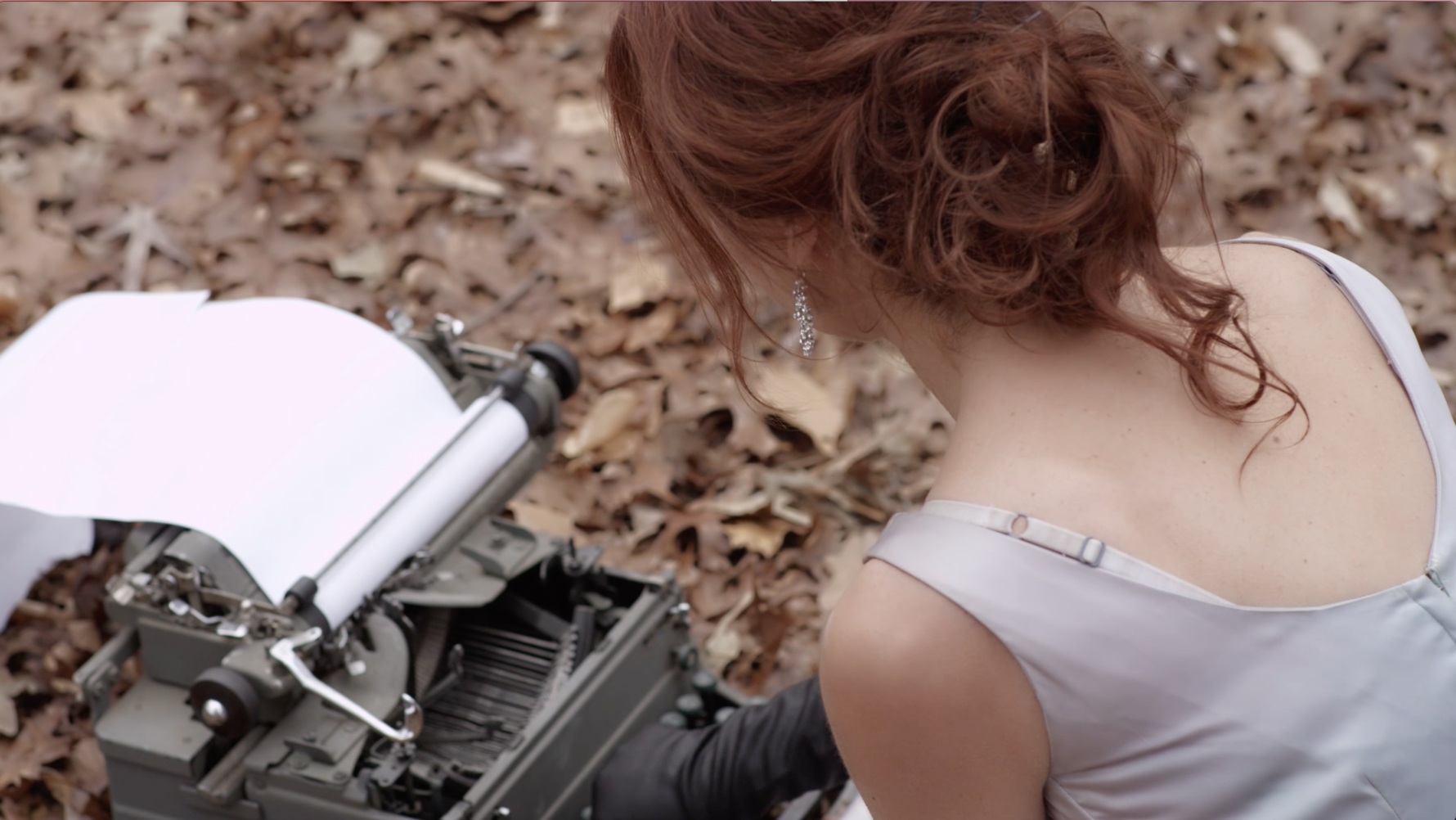
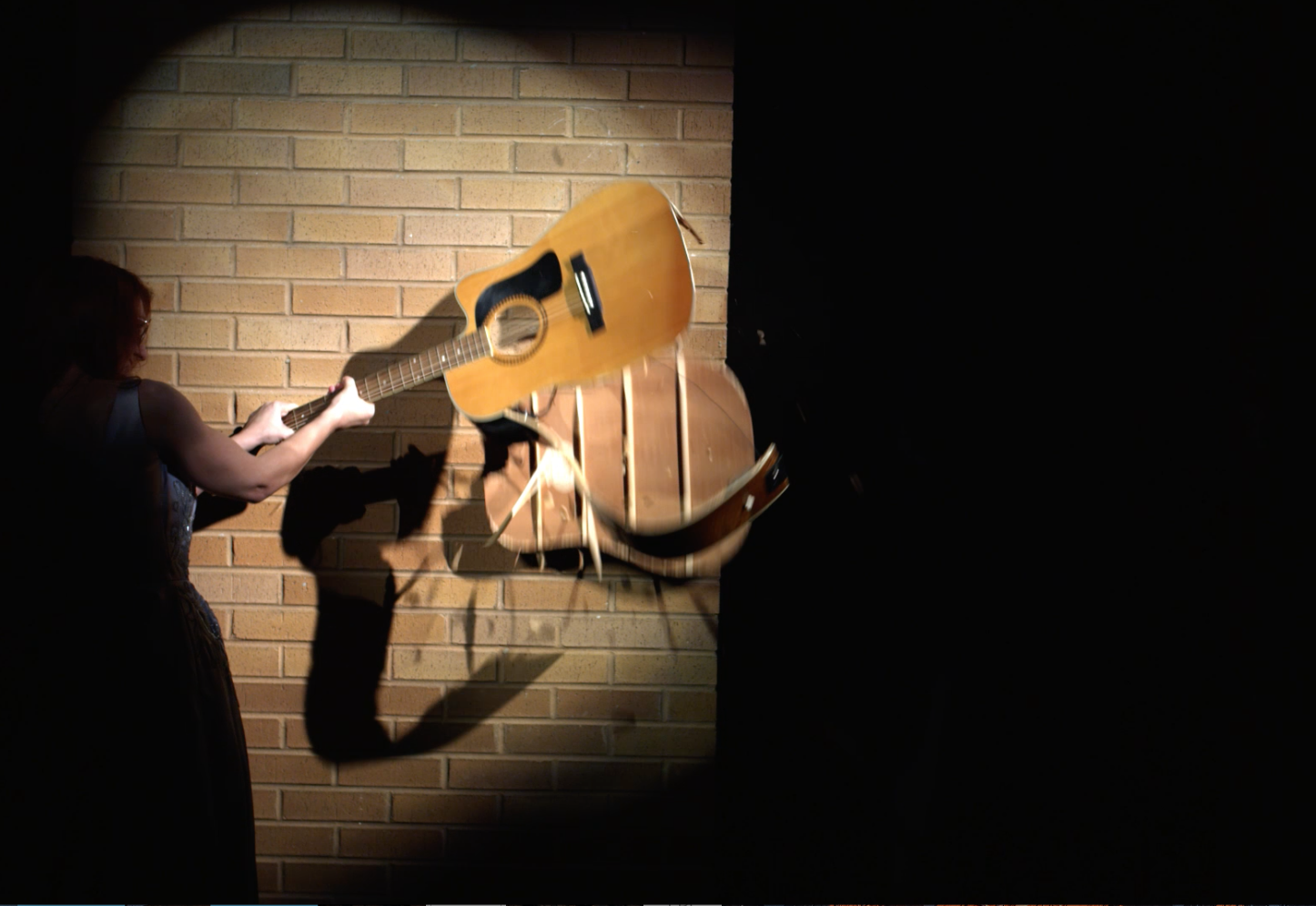
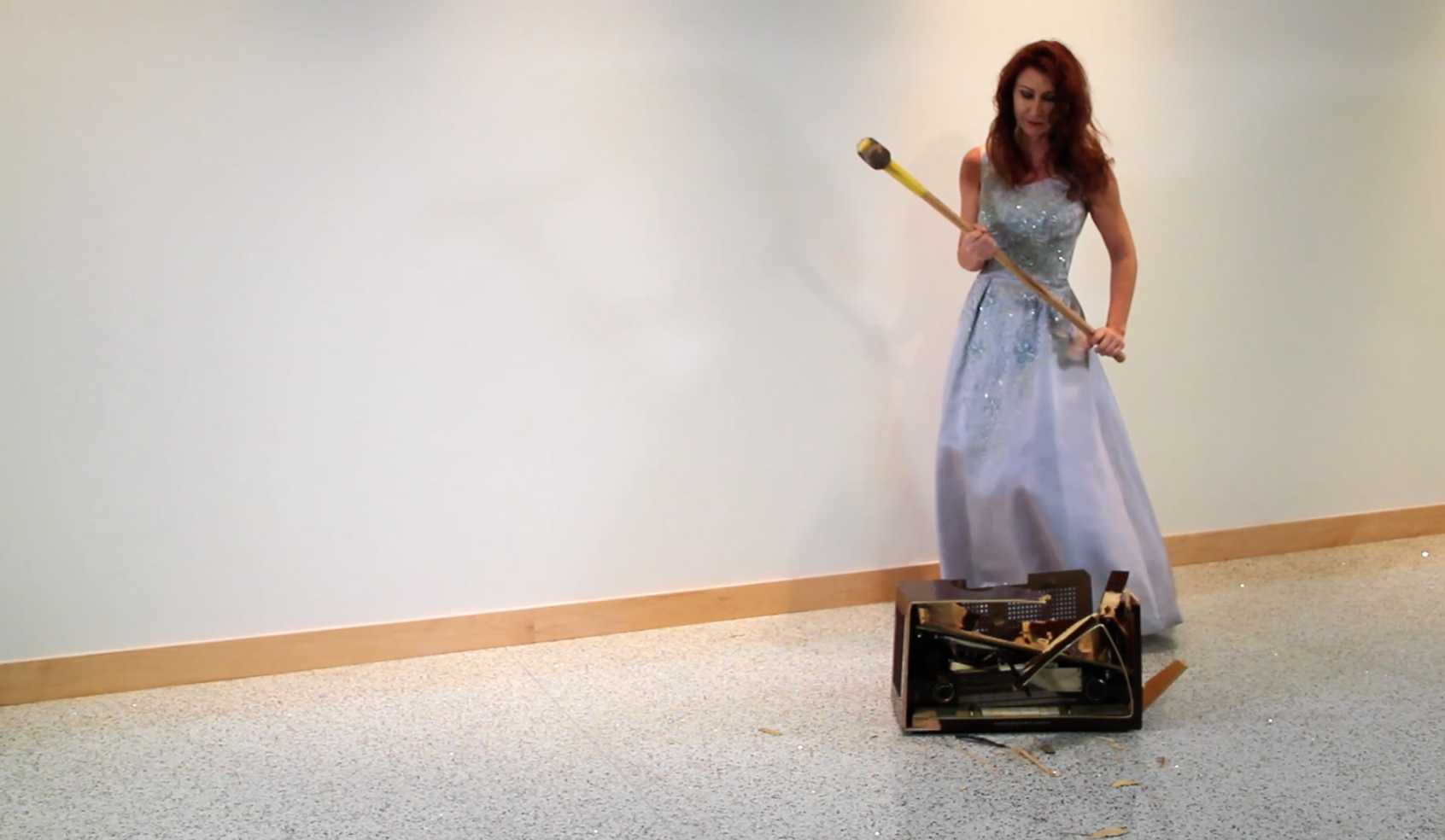
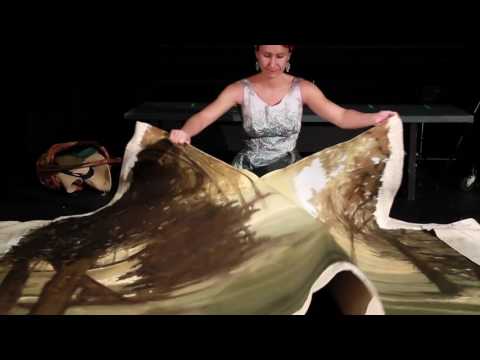
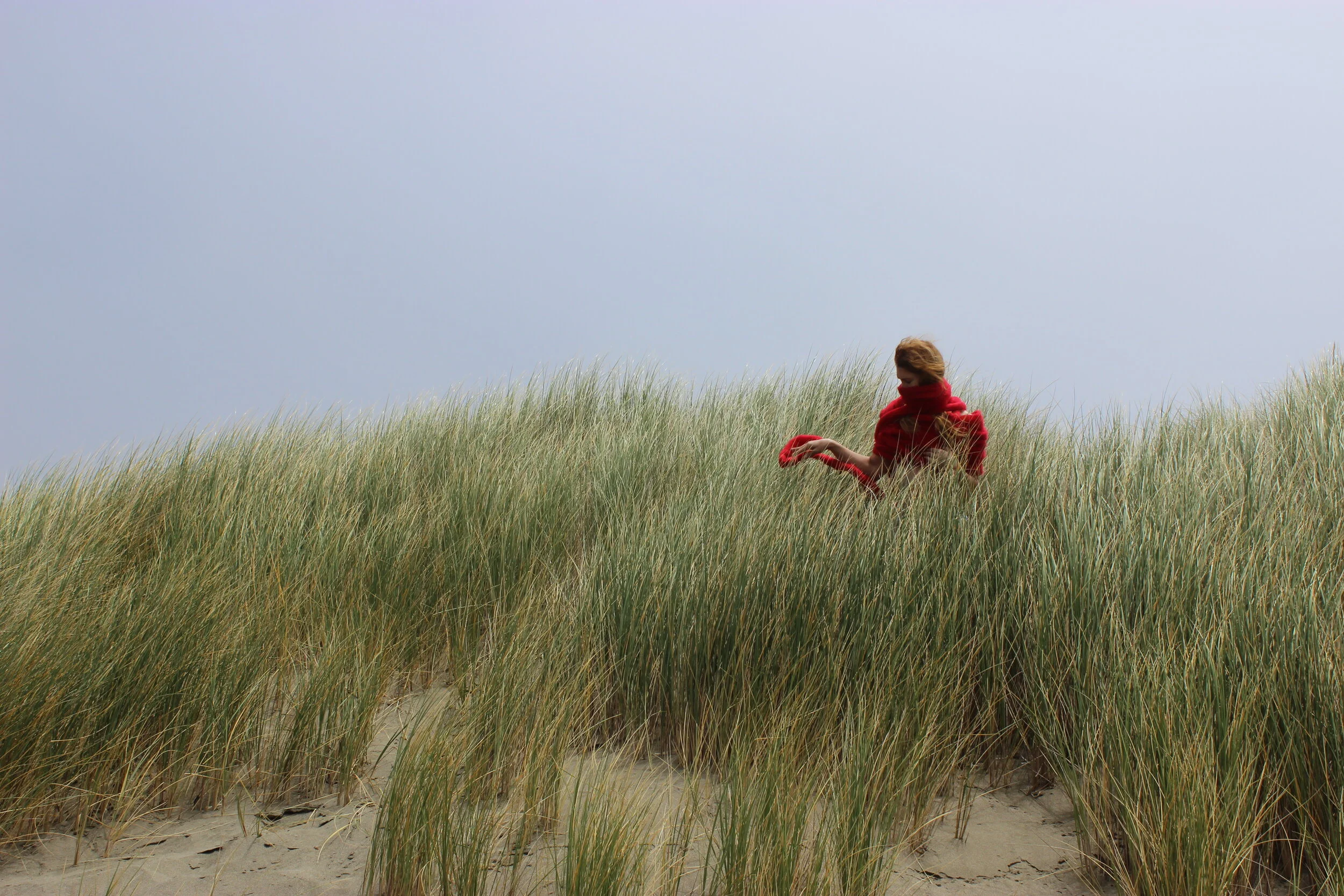
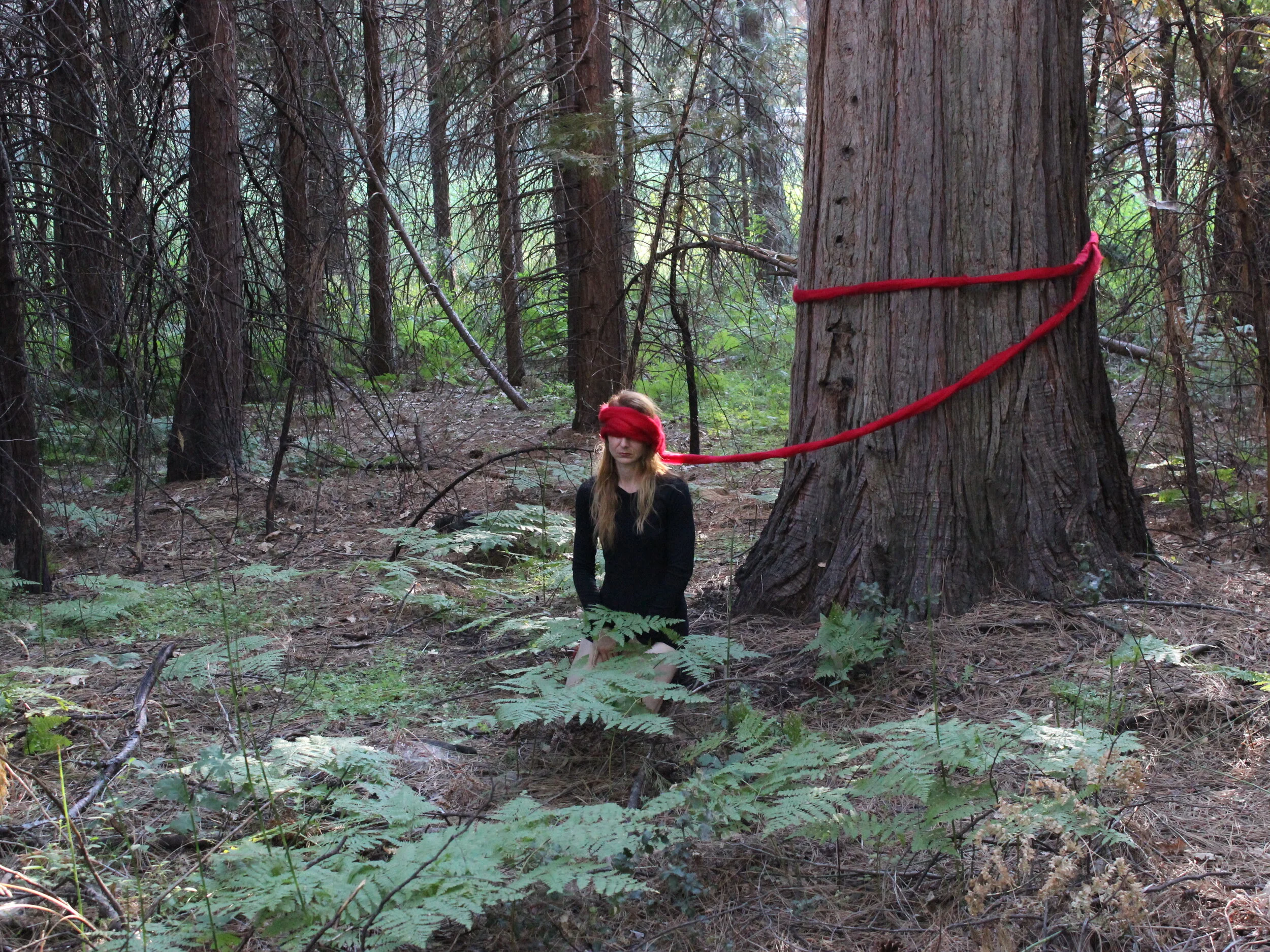
Beginning in Australia in June 2019, shortly before devastating wildfires transformed the region, I began creating performative photographic interventions in distinctive environments across Australia and the United States, then eventually Europe. Field recordings of wildlife from these sites are transmitted through the Mnemonic (Sound) System, a sound chair that returns the recorded environment to the body through listening and vibration. Performance photography, sound, drawings on handmade paper, and natural material operate not simply as documentation; they become intermediary forms through which an experiences of place can be recalled, embodied, and carried elsewhere.
Central to the inquiry is the object itself as a repository of environmental memory. My use of processed wool fiber emerged from an interest in the transformation of Australia's wool industry under globalization. Historically associated with the country's pastoral landscapes, Australian Merino wool circulates through international networks of processing and manufacture, acquiring new identities and commercial value far from its origins. Occupying a space between raw material and finished commodity, processed wool becomes an intermediary presence, one that retains a physical connection to the animal and environment from which it originated, even as those relationships become increasingly obscured. Recent controversies surrounding wool production further complicate this material history, drawing attention to the ethical and ecological consequences of our relationships with the natural world.
Through sensory installation, material interventions, and performative encounters with landscape, ...but the so little that had been left was so much considers how objects carry the memory of place, how the body retains its sensory impressions, and how these traces might deepen our awareness of environments upon which we depend, even as we transfrom and diminish them.
+++++++++
Artist Notes
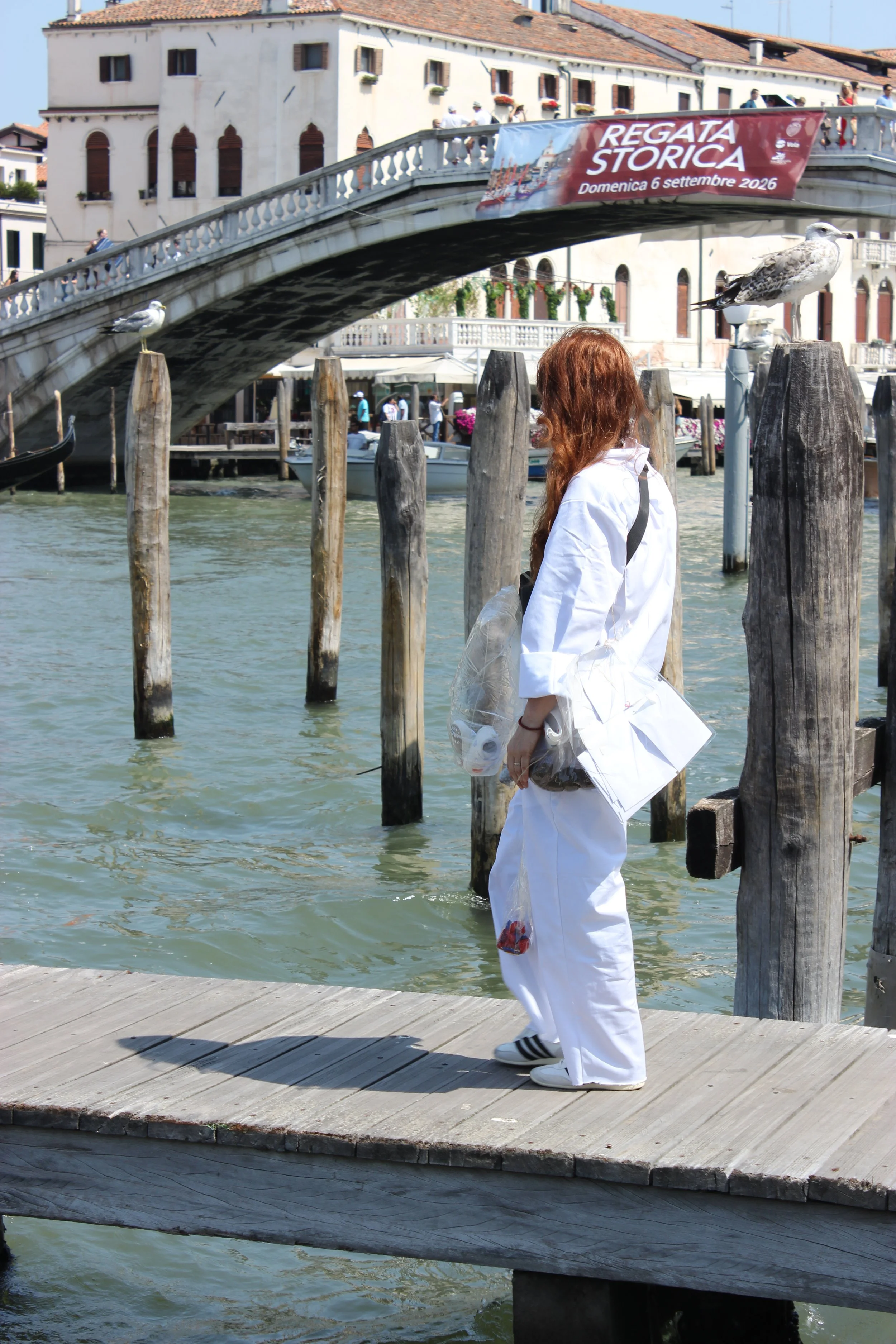
While conducting research for Venice Performance Art Week, I encountered a book that docuemented the Venetian artworks lost to centuries of war and flooding. One quote stood out to me: “There is so little left in the world, but the so little that had been left was so much.” Although written about the loss of art, it seemed equally relevant to the environmental losses due to climate change. What can we retain in memory when the places, species, and experiences that shape our world are disappearing?
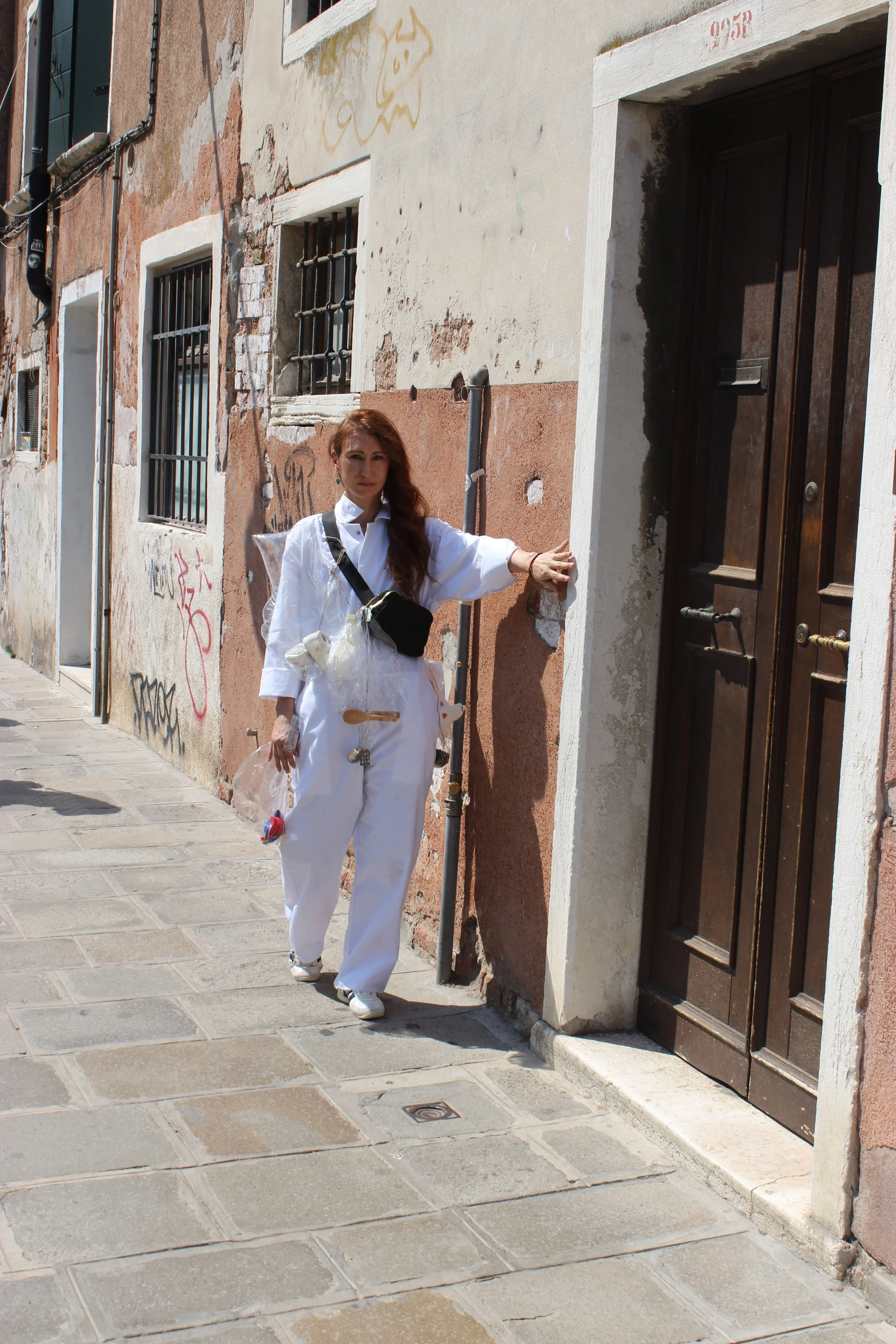
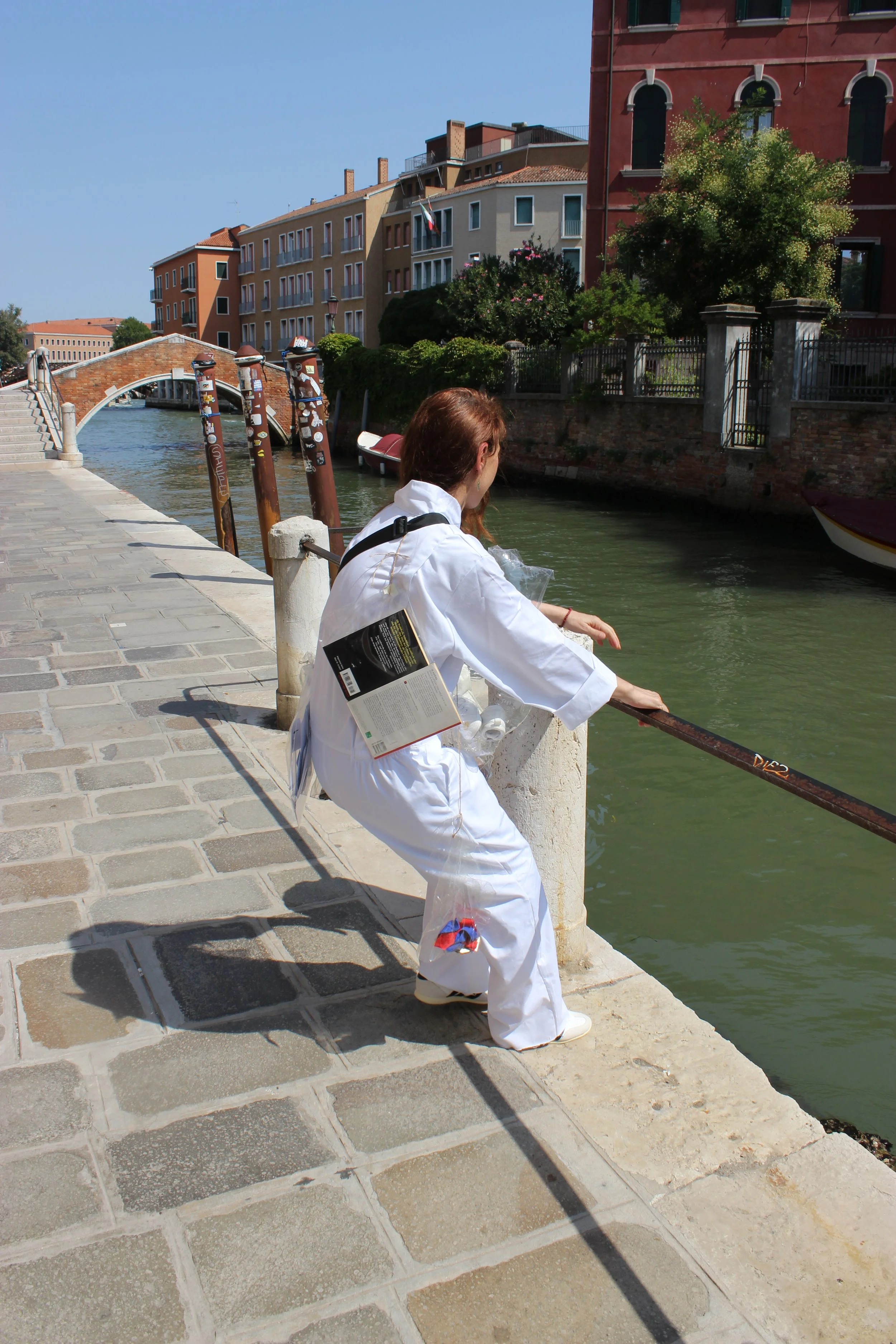
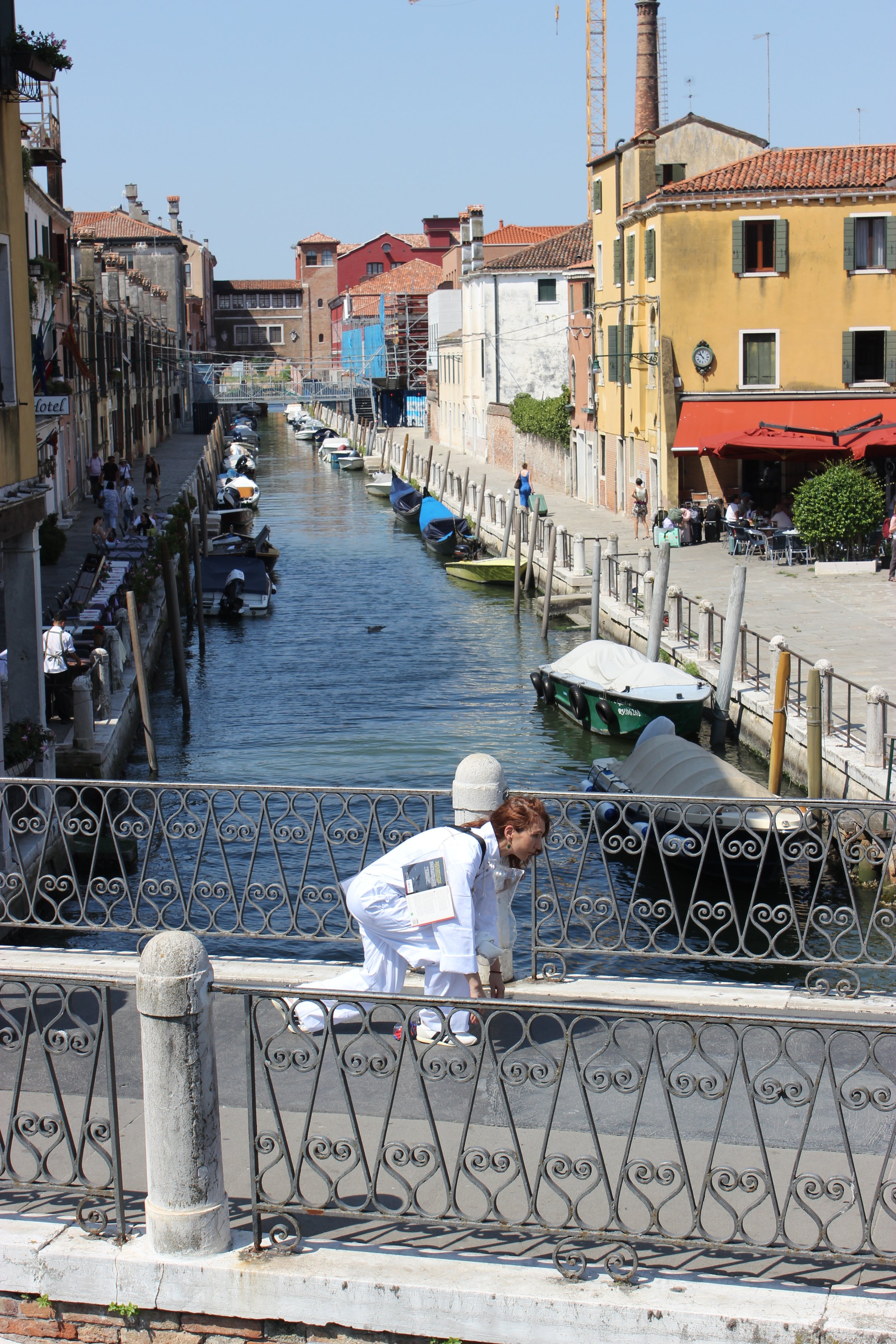
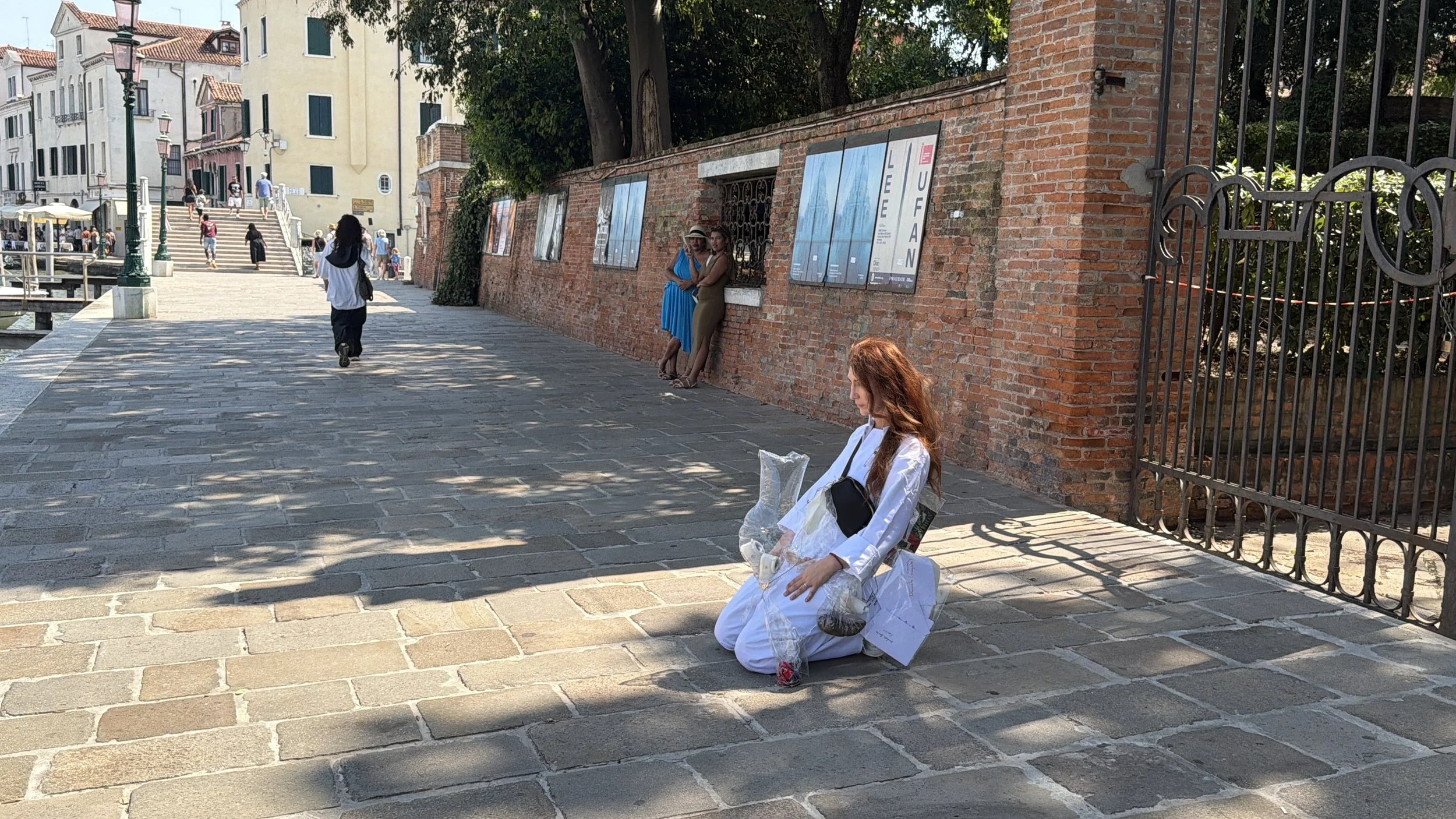
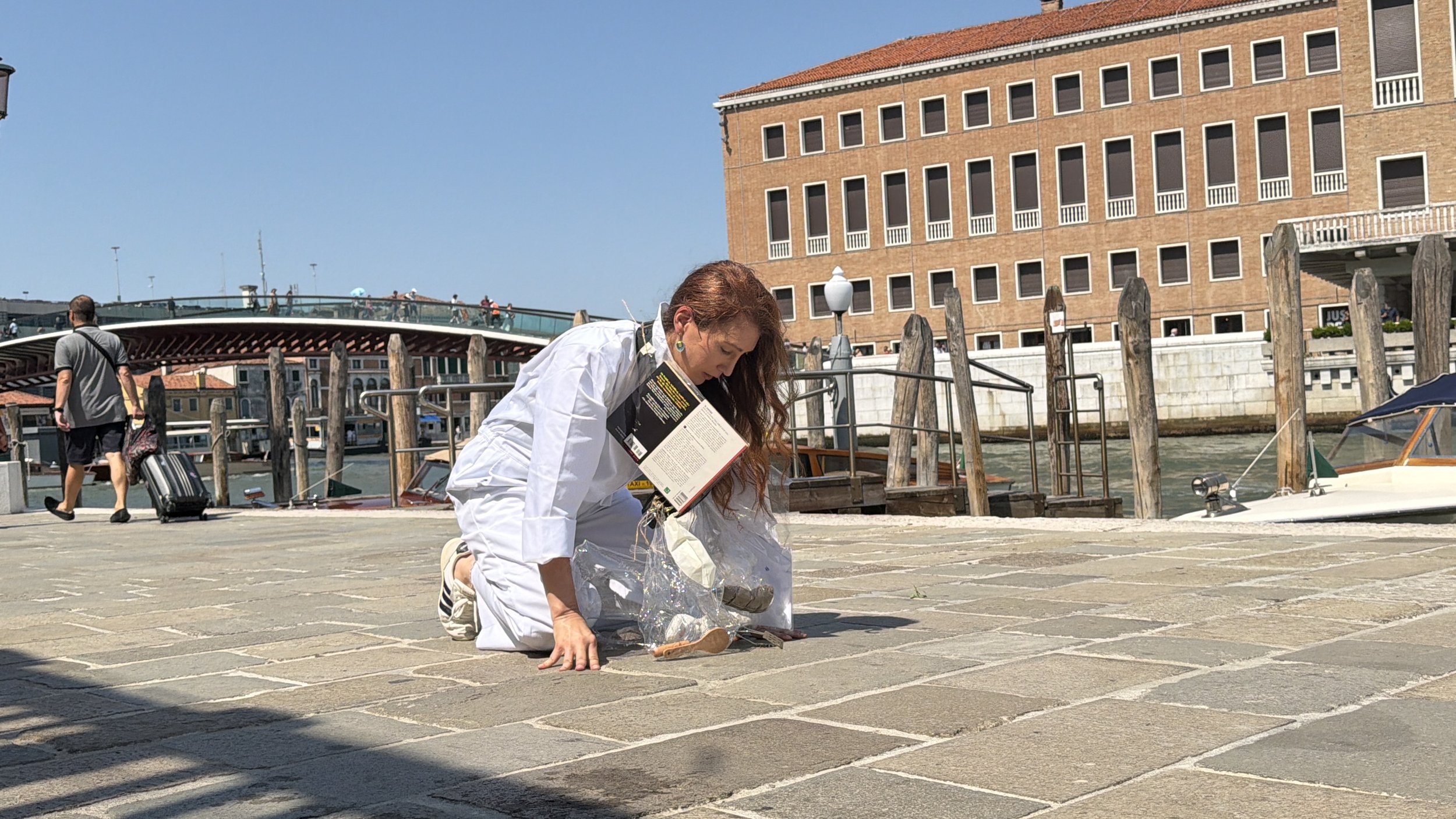
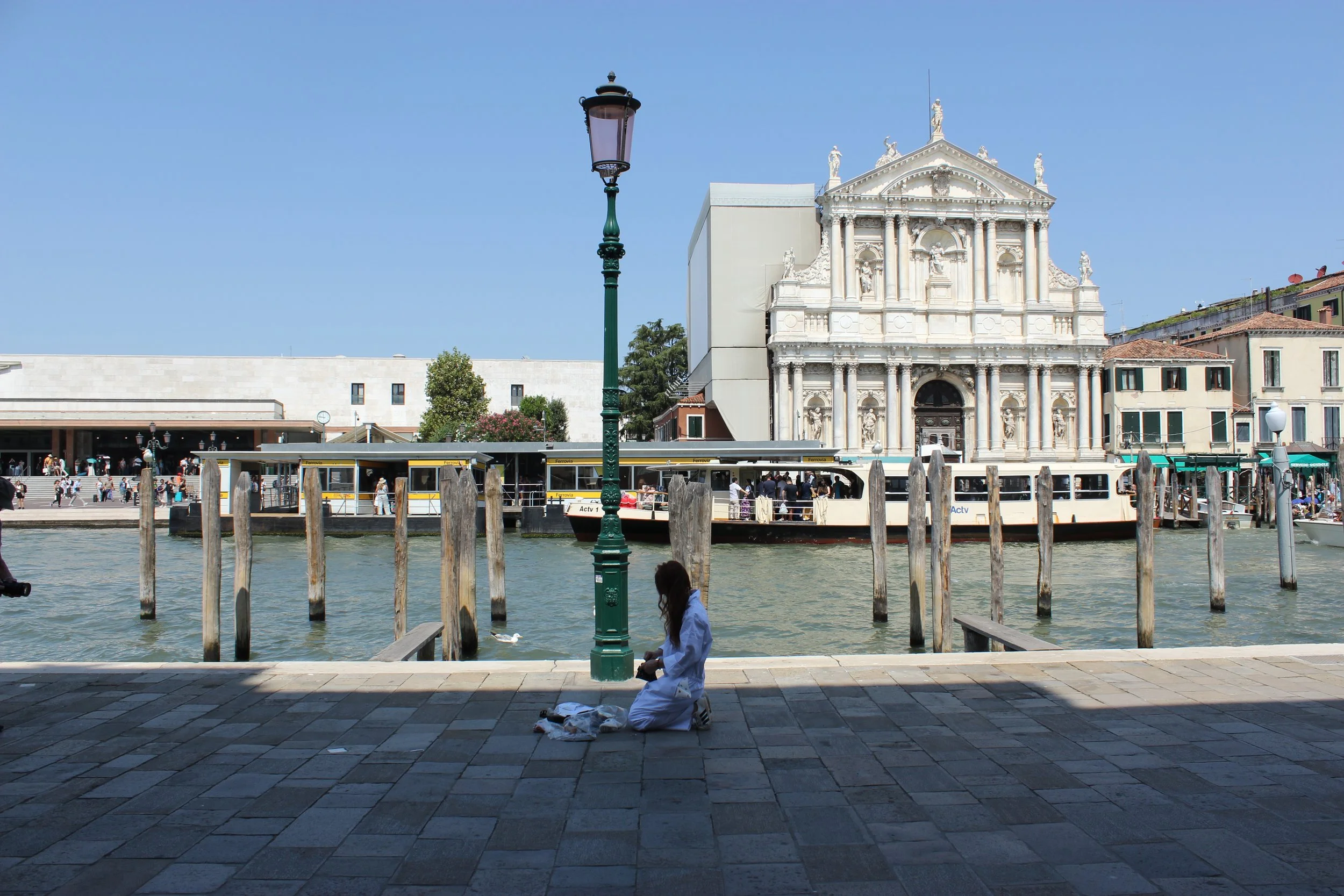
What I ended up doing for my solo piece in Venice was an earlier work “I can remember things before they happen.” Another quote, this time from Alice in Wonderland, that begins with “It’s a poor kind of memory that only works backward.”
Ultimately, I performed an earlier work in Venice, I can remember things before they happen, whose title was inspired by another literary passage, this time from Lewis Carroll's Through the Looking-Glass: “It's a poor sort of memory that only works backwards.”
Questions of what and how we remember have occupied my thinking about art since completing Mnemosyne. Then, I understood that work primarily through its feminist investigation of the muse (which currently drives my scholarly research). Yet that research also revealed how deeply the artistic process has been indebted to memory since the Ancient Greeks. Their understanding of Mnemosyne, the personification of memory and mother to the Muses, suggested that memory is not simpy a recurring artistic theme but embedded within the creative process. It is a term that has, perhaps, replaced the Muse as invocation, so frequently appearing within contemporary artist statements that it risks cliché. Therefore, I sought to acquire its specificity.
My subsequent collaboration with neuroscientists expanded this understanding. Memory is not simply a means of retrieving the past; it also enables us to imagine and anticipate the future. Sight, touch, sound, and especially scent connect ongoing experience to memory, allowing sensory impressions to endure beyond the moments and places in which they originated.
This understanding has become central to ...but the so little that had been left was so much. As environments change and species face extinction, I am interested in how sensory and material traces might preserve our encounters with the natural world. Such fragments cannot replace what is lost, but they can sustain a relationship to it, carrying memory forward and perhaps deepening our awareness of what remains.









Quisque iaculis facilisis lacinia. Mauris euismod pellentesque tellus sit amet mollis.